KEYNOTE PROGRAMME
Speakers shaping the IENET 2026 conversation.
The keynote speaker profiles below are drawn from the conference homepage supplied for IENET 2026 and will be updated as programme details are confirmed.
01 · KEYNOTE SPEAKERS
Meet the speakers
Speaker photographs, affiliations and report topics are displayed with each profile.

Prof. Kai Yang
Professor / Dean
INEWReport topic
Carbon Neutrality and High-Quality Direct-Drive Motors
Bio: Changjiang Scholar Distinguished Professor, IET Fellow, and second-level professor and doctoral supervisor at the School of Electrical and Electronic Engineering, Huazhong University of Science and Technology. He directs the Ministry of Education Engineering Center for New Electric Machines and Special Electromagnetic Equipment and serves as Executive Deputy Director of the Ministry of Education Collaborative Innovation Center for Strong Electromagnetics. He is Chief Scientist of the National Key R&D Program “Direct-Drive Electric Propulsion Technology for Transport Equipment” and has led five NSFC Key Projects, one National Key R&D Program, two National Major Science and Technology Projects, one National Support Program, and more than 30 provincial and industry-collaborative projects. His awards include three First Prizes of the Hubei Science and Technology Progress Award and first prizes from the China Electric Power Science and Technology Progress Award and the Ministry of Education Science and Technology Progress Award.

Prof. Jinsong Kang
Professor / Doctoral Supervisor
Tongji UniversityReport topic
Key Technologies for Traction Power Supply of High-Speed Maglev Train
Bio: Professor and doctoral supervisor at Tongji University and Executive Deputy Director of the Key Laboratory of Maglev Transportation Technology. He also serves as an Executive Director of the Chinese Power Supply Society and Vice Chair of its Transportation Electrification Committee. His research covers electric-drive systems and control for vehicles, renewable-energy generation technologies and control, and traction systems and control for high-speed maglev trains. He has edited the national-planning textbook Power Electronics Technology, co-authored books on electric-drive control systems and electric-machine technologies for new-energy vehicles, published more than 160 papers and holds more than 30 granted invention patents, including one US patent. His work has received the Second Prize of the Shanghai Technology Invention Award and the Industry–University–Research Cooperation Innovation Award of the China Association for the Promotion of Industry–University–Research Collaboration.

Academician Frede Blaabjerg
Member & Vice President
Aalborg University, DenmarkReport topic
Power Electronics – Key Technologies for Grid Integration
Bio: Professor at Aalborg University, an Academician and Vice President of the Danish Academy of Technical Sciences, former President of the IEEE Power Electronics Society, and former Editor-in-Chief of IEEE Transactions on Power Electronics. He has published more than 600 papers in power electronics and renewable-energy generation. His honours include 33 IEEE Best Paper Awards, the IEEE Distinguished Service Award, the EPE-PEMC Council Award, the IEEE William E. Newell Award, the Villum Kann Rasmussen Award, the Global Energy Prize and the IEEE Edison Medal. Since 2014, Thomson Reuters has recognized him as one of the world’s 250 most-cited engineering scholars.
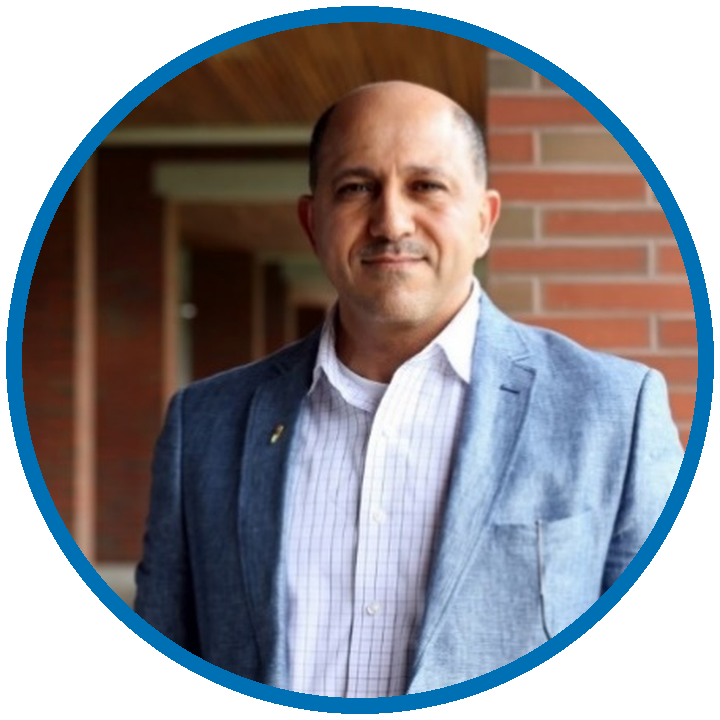
Prof. Hossam A. Gabbar
Professor / Fellow IET
Ontario Tech University, CanadaReport topic
Resilient Hybrid Energy Systems and Digital Twin for Energy Transition and Sustainable Communities
Bio: Prof. Hossam A. Gabbar is a Professor in the Department of Energy and Nuclear Engineering at Ontario Tech University, Canada. He leads the Smart Energy Systems Lab and the Advanced Plasma Engineering Lab, with research spanning resilient smart energy grids, hybrid energy systems, energy safety and control, and advanced plasma technologies. He received his PhD from Okayama University, Japan, and has held academic positions at Tokyo Institute of Technology and Okayama University. His work combines digital-twin modelling, intelligent control and techno-economic evaluation to support practical deployment of sustainable and resilient energy systems.
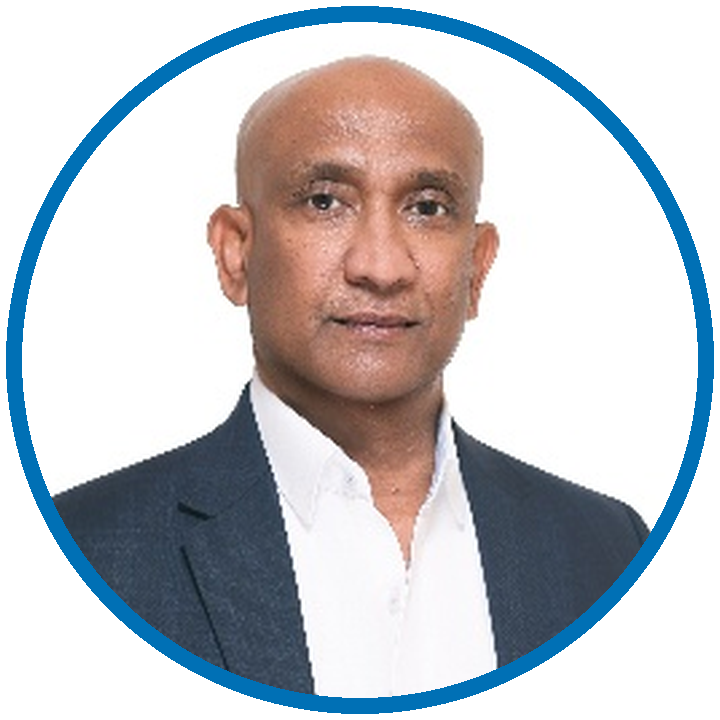
Prof. Udaya K. Madawala
Full Professor / IEEE Fellow / Fellow RSNZ
The University of Auckland, New ZealandReport topic
Wireless Technology for V2X Applications
Bio: Prof. Udaya K. Madawala is a Full Professor in the Department of Electrical, Computer & Software Engineering at the University of Auckland, New Zealand. He leads research in power electronics, energy systems and wireless electric-vehicle charging, with particular emphasis on bidirectional wireless power transfer for vehicle-to-anything (V2X) applications. He is a Fellow of IEEE and the Royal Society Te Apārangi, has published more than 300 works, and holds a family of global patents in wireless power transfer and power-converter technologies. His research has also supported industry collaboration and commercialisation.
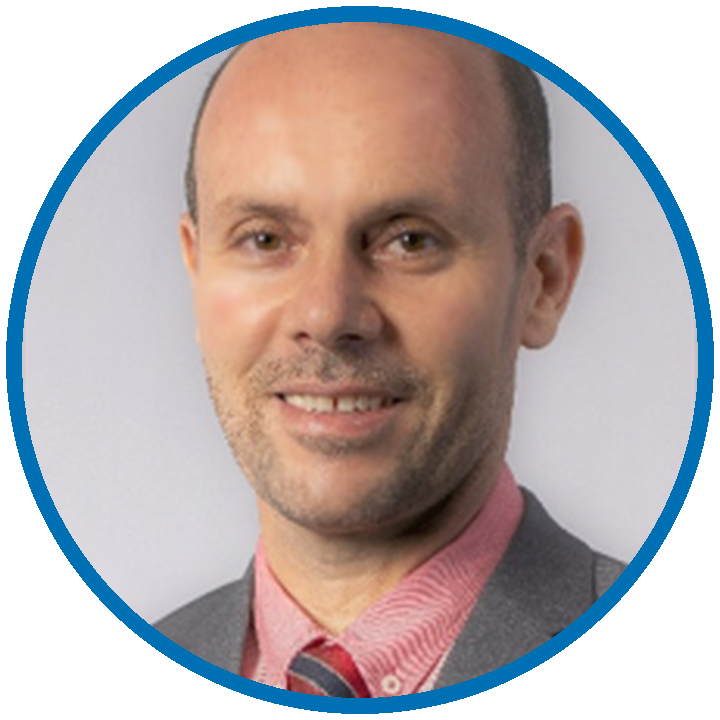
Prof. Saad Mekhilef
Distinguished Professor / IEEE Fellow / IET Fellow
Swinburne University of Technology, AustraliaReport topic
Wireless Power Transfer for Electric Vehicle Applications
Bio: Distinguished Prof. Saad Mekhilef is an IEEE and IET Fellow at Swinburne University of Technology, Australia. His research focuses on power conversion, control of power converters, renewable energy, maximum power point tracking, energy efficiency and electric-vehicle charging. He has authored or co-authored more than 900 publications and five books, and has supervised more than 85 PhD graduates. He serves on the editorial boards of leading journals in power electronics and renewable energy and has been recognised among the world’s highly cited engineering researchers.
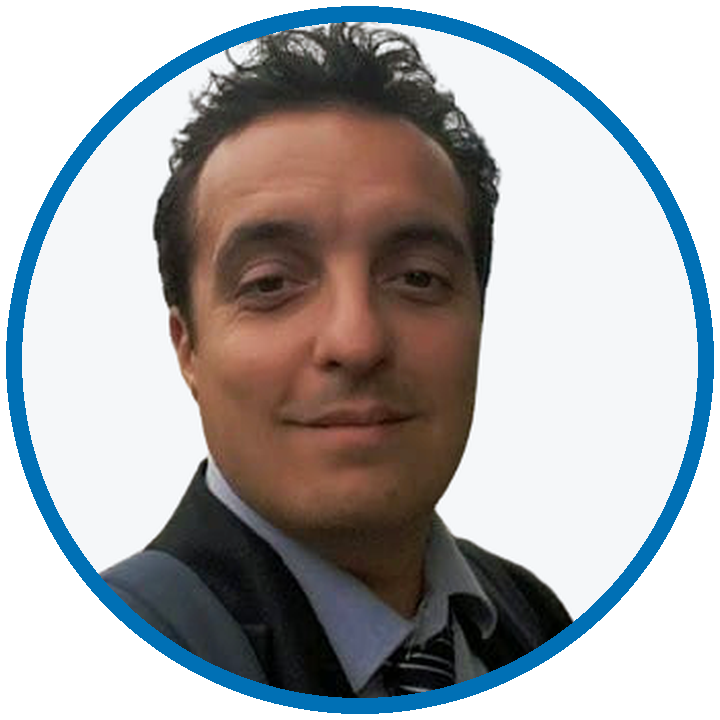
Prof. Pierluigi Siano
Full Professor of Electrical Power Systems / IEEE Senior Member
University of Salerno, ItalyReport topic
Optimal Management of Local Energy Communities
Bio: Prof. Pierluigi Siano is a Full Professor of Electrical Power Systems and Scientific Director of the Smart Grids and Smart Cities Laboratory at the University of Salerno, Italy. His research covers demand response, energy management, integration of distributed energy resources, electricity markets, and planning and operation of modern power systems. He has co-authored international books and hundreds of journal and conference papers, and has been recognised as a Highly Cited Researcher. He also serves in editorial roles for several major IEEE journals in power systems, industrial informatics and industrial electronics.
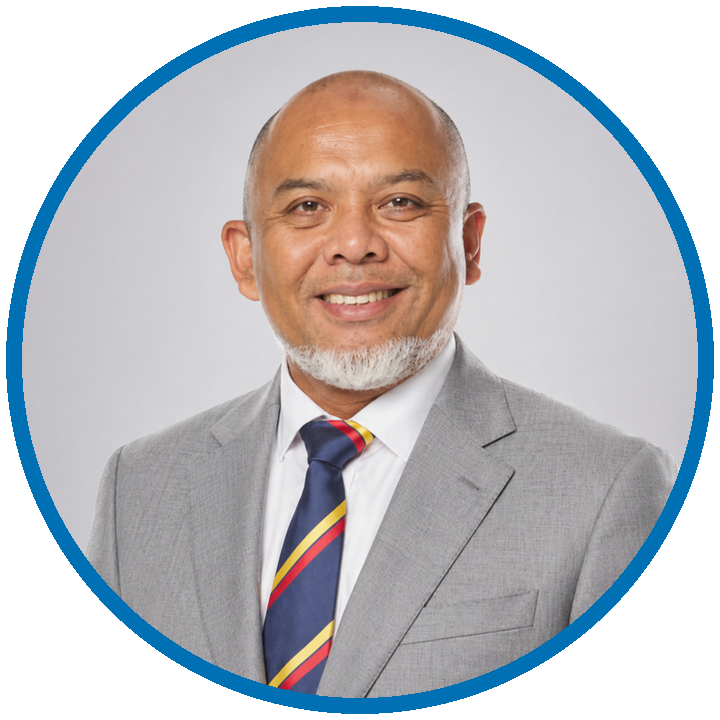
Prof. Mohd Rizal Arshad
Professor / Dean, School of Robotics
Xi'an Jiaotong-Liverpool University (XJTLU), ChinaReport topic
AI, Autonomy and Energy: Towards Sustainable Intelligent Robotic Systems
Bio: Prof. Mohd Rizal Arshad is an expert in intelligent control, robotics and autonomous systems with more than 25 years of R&D experience, particularly in marine and underwater robotics. He received his PhD in Electronic Engineering from the University of Liverpool and has led extensive work in intelligent robotic systems, sensing, control and autonomous technologies. He is a Professional Engineer, Chartered Engineer, IEEE Senior Member and Fellow of IMarEST, and serves as an IEEE Oceanic Engineering Society Distinguished Lecturer for 2024–2026. He is currently Dean of the School of Robotics at XJTLU.